Expert Panel Manufacturing for Automation Excellence
From design to delivery, Edwards Automation and Design specializes in high quality industrial controls panels, enclosures and systems tailored to your needs
- Durable material for harsh environments
- Seamless integration with PLC and HMIs
- Custom Sizes and configurations
- UL-certified safety and compliance
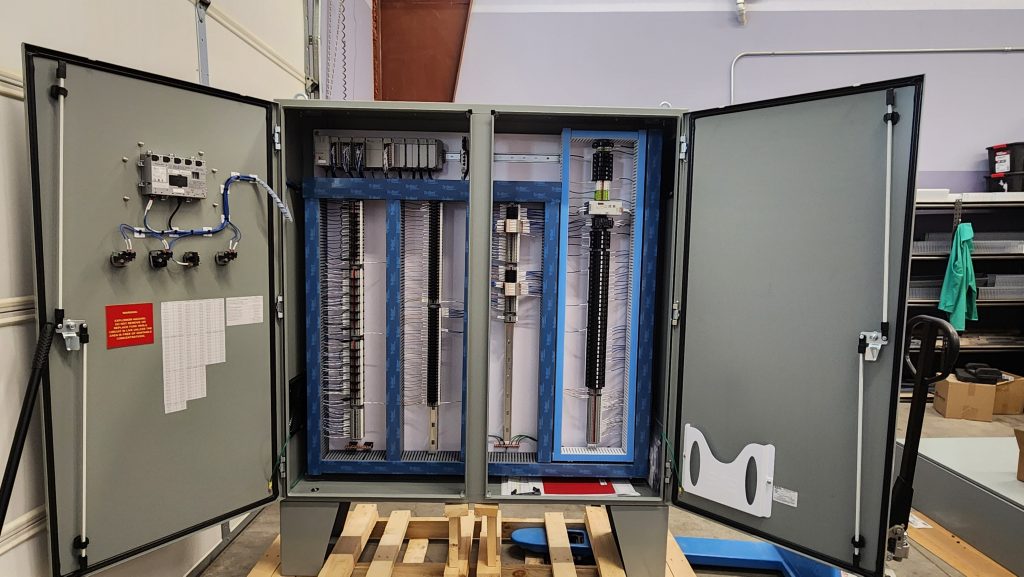
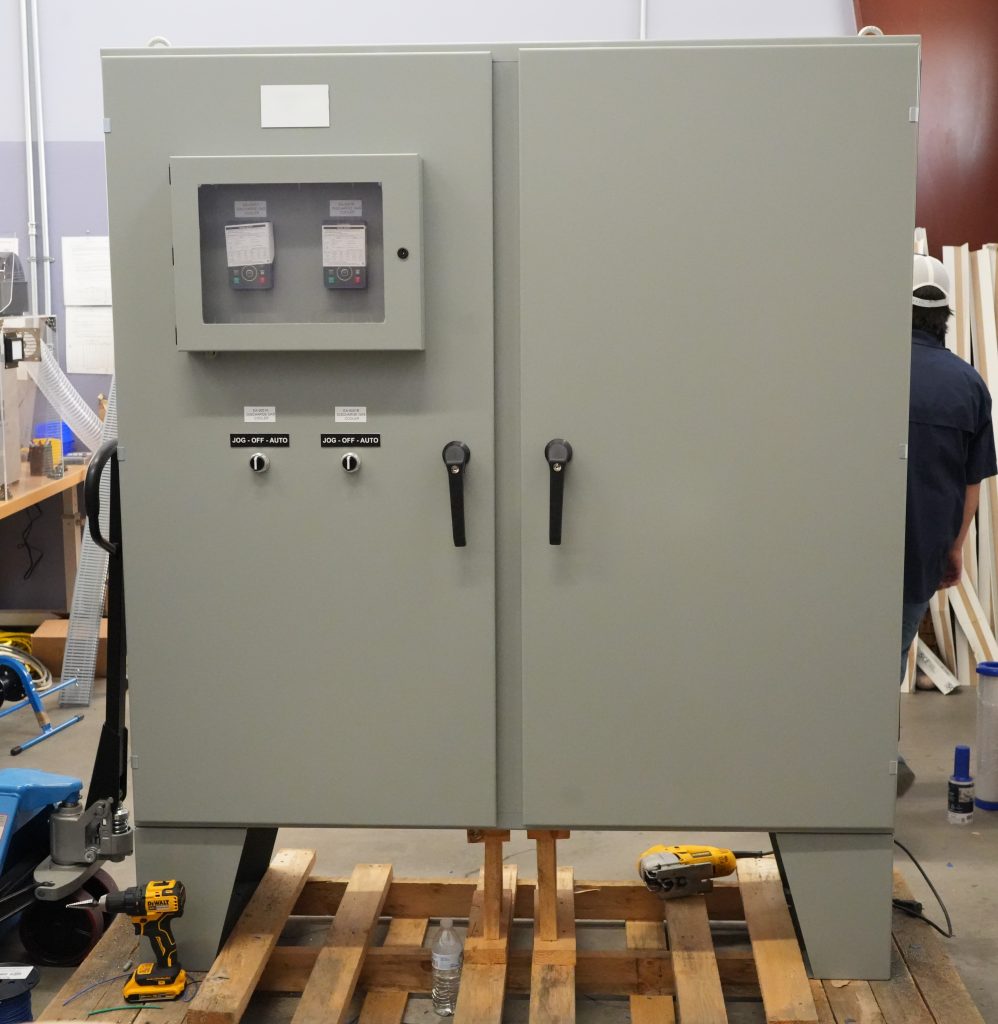
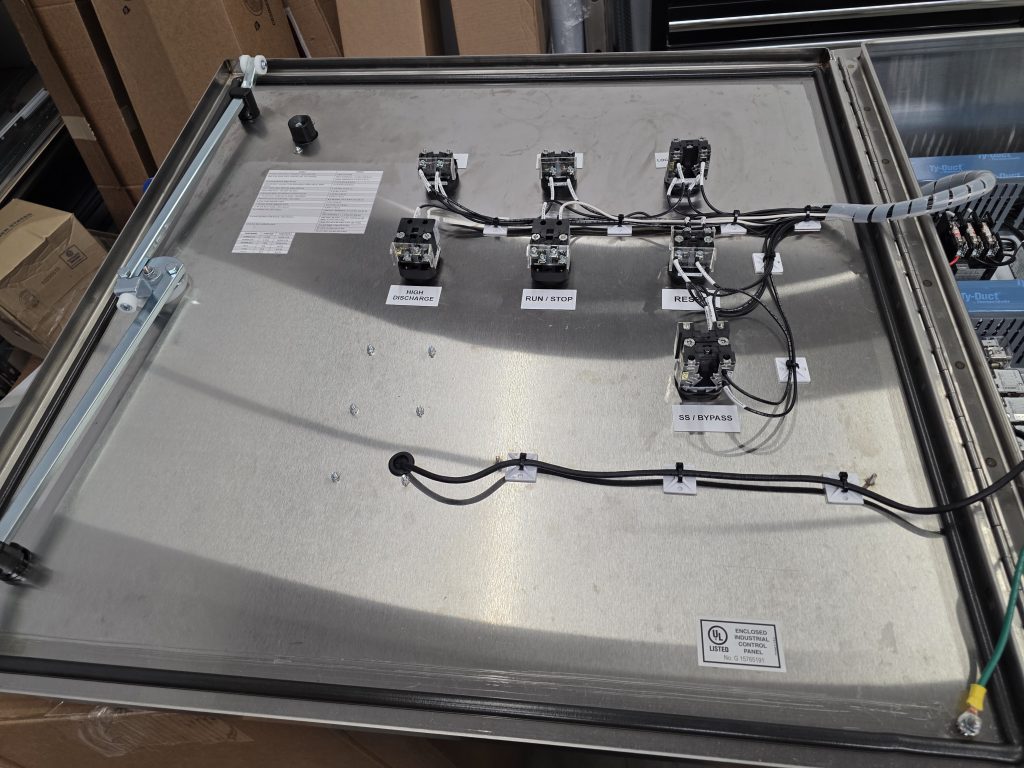
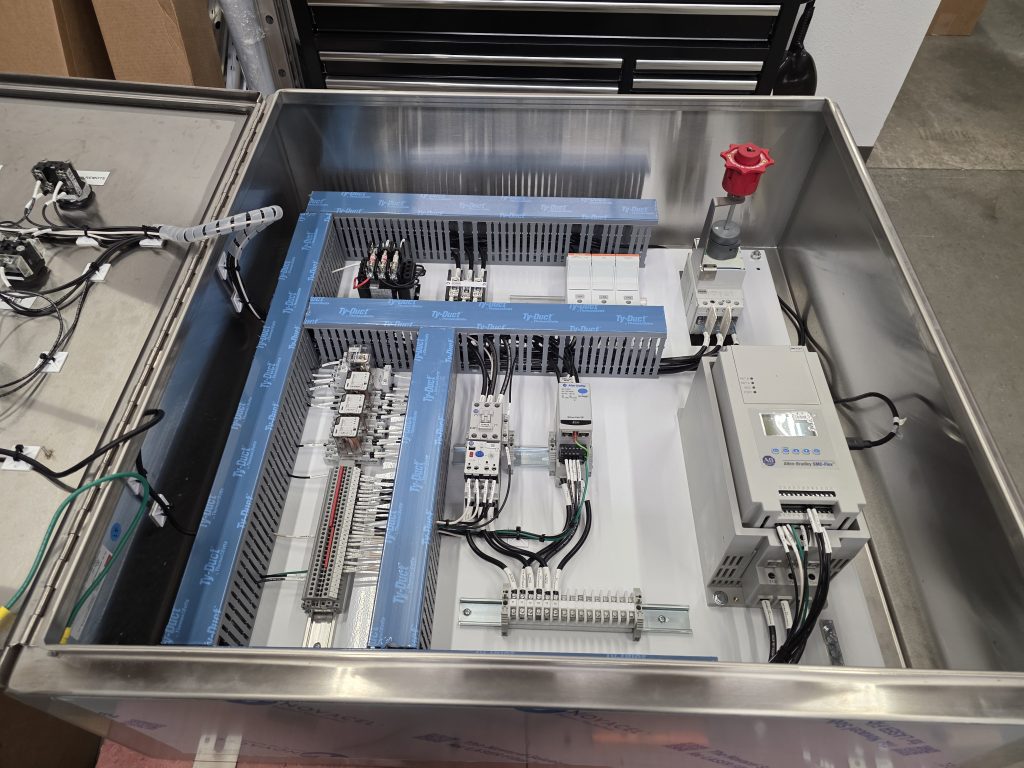
Previous Builds
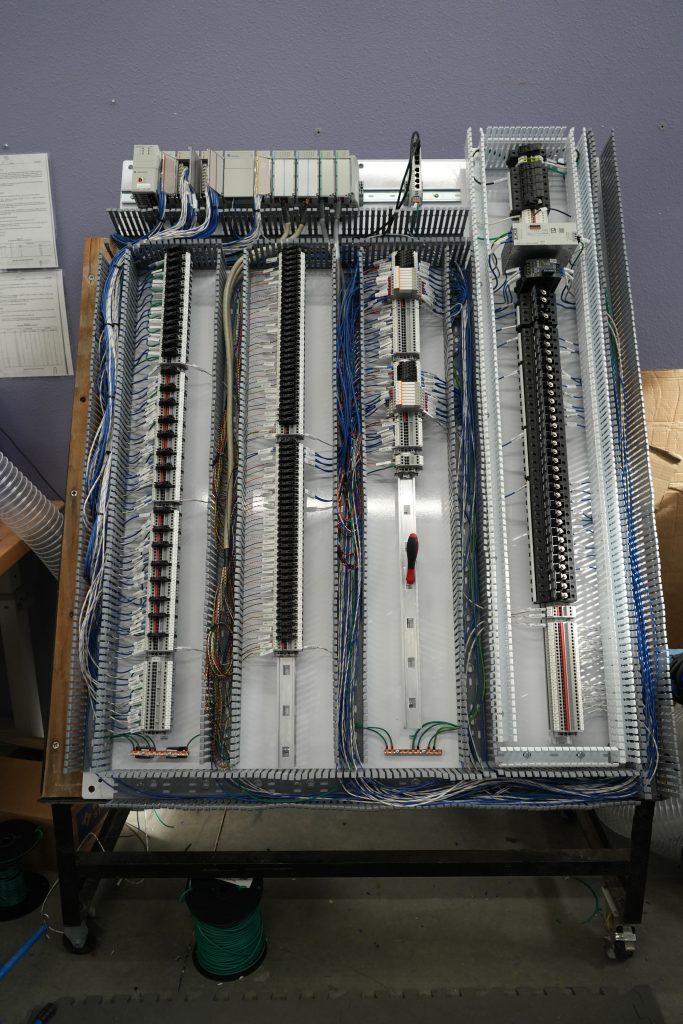
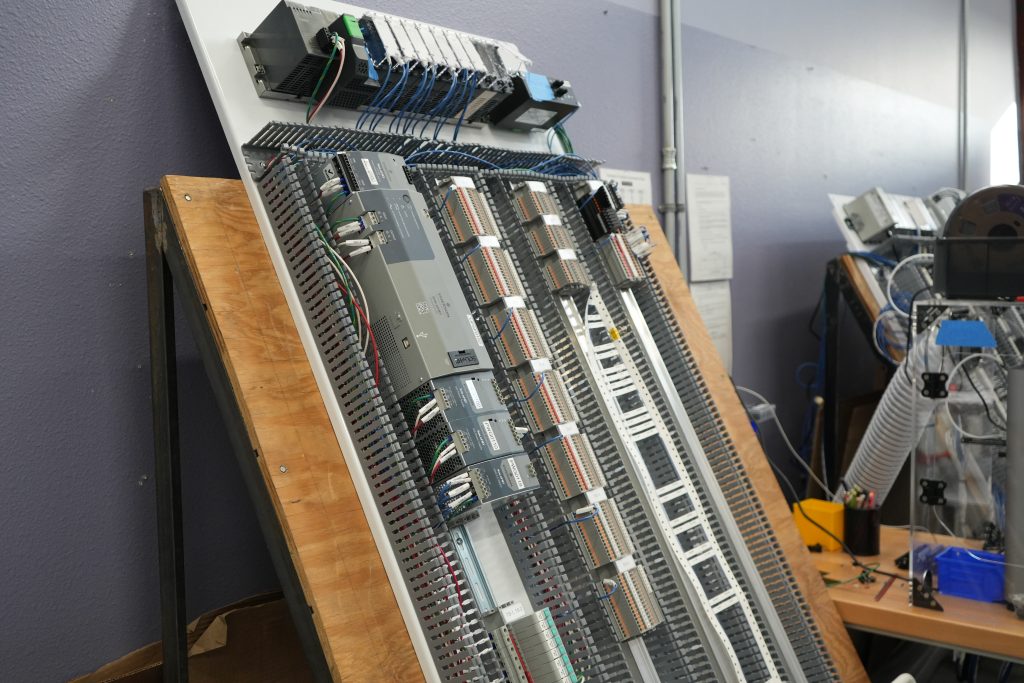
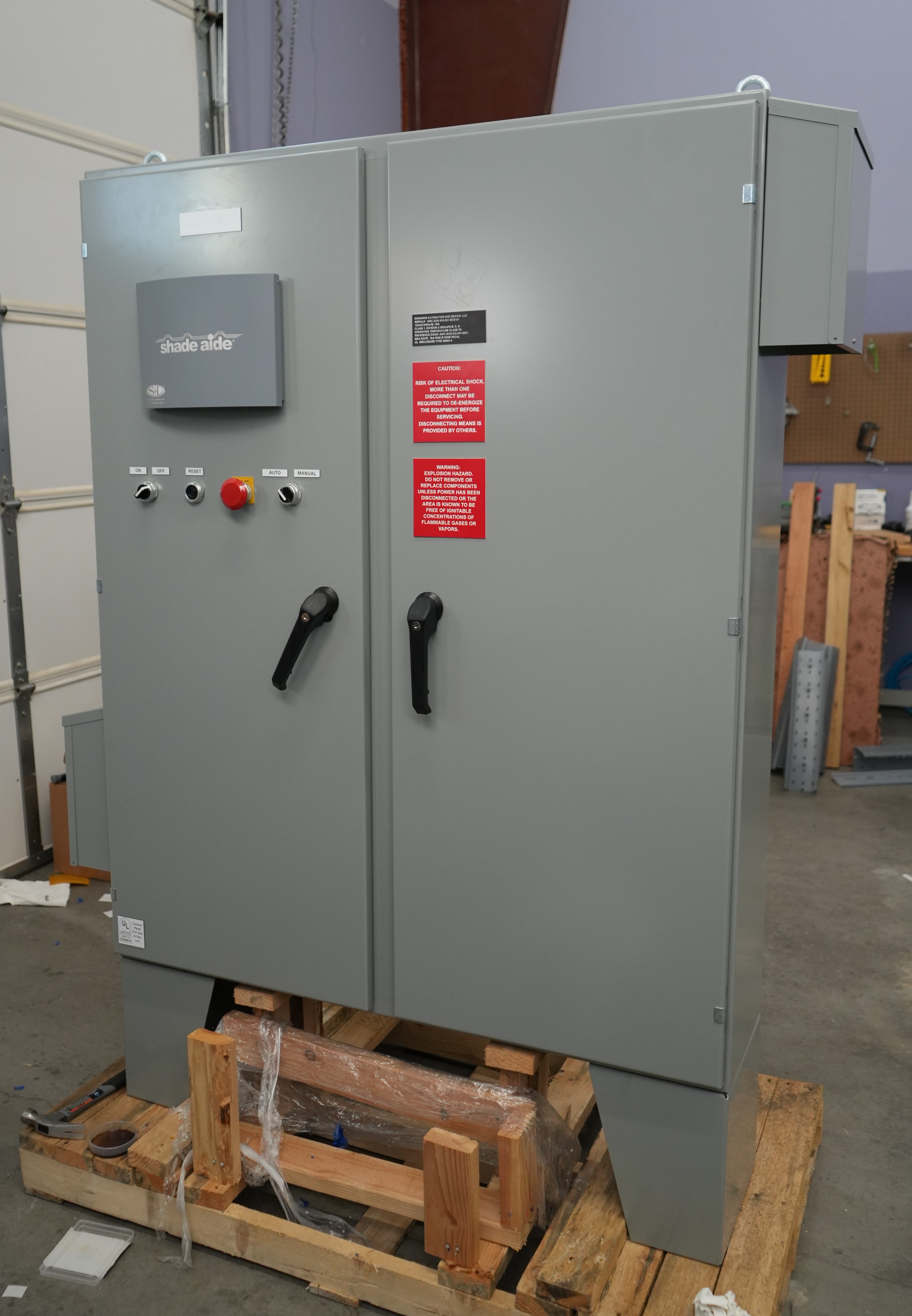
What we consider
With our panels being used as central pieces in various operations from Oil and Gas to Agriculture we understand that each panel has to be designed with its purpose in mind. Here is what changes with each panel depending on industry and client requests:
- Panel Design: Electrical schematics, AutoCAD modeling, component selection (e.g., relays, switches, sensors).
- Panel Manufacturing: In-house assembly, wiring, engraving, and testing.
- Custom Enclosures: Explosion-proof, stainless steel, etc.
- Integration: PLC/HMI programming, network communication, IoT connectivity.
- Prototyping and Testing: Functional testing, quality inspections, and compliance checks.
- Installation and Support: On-site commissioning, maintenance guides, and post-delivery assistance.
- Certifications: UL 508A, NNNY Classified Panels.
- Customization: Any size/production volume, from prototypes to high-volume OEM runs.
Flexible Component Sourcing and Brand Compatibility: We source and integrate preferred components from leading manufacturers such as Allen-Bradley (Rockwell Automation), IDEC, Siemens, Schneider, and others to match your existing infrastructure, performance requirements, or standardization preferences—ensuring seamless compatibility, reliable supply chains, and optimal system integration without compromise.
Our Panel Manufacturing Process: From Concept to Commissioning
At Edwards Automation and Design, we follow a structured, transparent process to deliver custom industrial control panels that are reliable, code-compliant, and tailored to your exact needs. Every panel is built in-house with rigorous quality checks to minimize errors, ensure safety, and support long-term performance.
- Initial Consultation & Requirements Gathering We start by thoroughly understanding your project.
- Discuss system requirements, electrical loads, environmental conditions (e.g., hazardous areas, temperature extremes), preferred components (like Allen-Bradley, IDEC, or others), and any certifications needed (UL 508A, NEC compliance).
- This step prevents costly revisions later—we document everything in a clear spec sheet for your approval.
- Engineering & Design Our engineers create detailed, optimized designs using tools like AutoCAD Electrical.
- Develop electrical schematics, panel layouts, wiring diagrams, and bill of materials (BOM), if one is not already created.
- Select enclosure type/size, components, and materials (e.g., carbon steel, stainless steel, NEMA-rated).
- Perform power/heat calculations, overcurrent protection sizing, and layout optimization for accessibility/maintenance.
- Designs prioritize safety, efficiency, and scalability—iterative reviews ensure the panel meets your specs and standards like UL 508A.
- Component Sourcing & Procurement We handle all sourcing to your preferences and timelines.
- Procure high-quality parts from trusted suppliers, including client-specified brands (Allen-Bradley PLCs, IDEC relays, Siemens drives, etc.).
- Verify inventory, lead times, and compatibility.
- We maintain strong vendor relationships for reliable, cost-effective supply chains without compromising quality. However, lead times for specific components do still play a factor.
- Enclosure Preparation & Component Mounting Precision fabrication begins here.
- Cut, punch, and drill the enclosure/subpanel.
- Mount DIN rails, terminal blocks, devices, and backplane components per approved layout.
- Install grounding provisions and any required modifications (cutouts, doors, vents).
- Clean, accurate mounting ensures professional wiring and easy future access—every hole and mount is verified against drawings.
- Wiring & Assembly The core of panel build—done meticulously for reliability.
- Route and terminate wires per schematics (using color-coded, labeled cables; automated wire processing for consistency).
- Install point-to-point connections, wire ducts, labels, and grounding.
- Incorporate safety features like surge protection, fusing, and separation of power/control circuits.
- Neat, organized wiring reduces troubleshooting time and meets UL standards—100% point-to-point checks eliminate errors.
- Testing & Quality Inspection Rigorous in-house validation before anything leaves our shop.
- Perform continuity, insulation resistance, and functional tests (power-up, I/O checks, PLC/HMI simulation).
- Conduct heat/load testing, ground fault checks, and visual inspections.
- Verify compliance with UL 508A and client specs.
- Multiple inspection layers catch issues early.
- Final Documentation & Packaging We provide everything needed for smooth handover.
- Compile as-built drawings, wiring diagrams, BOM, and O&M manuals.
- Apply labels, nameplates, and UL certification if applicable.
- Securely package for shipping (protective crating for complex panels).
- Complete documentation supports installation and maintenance; your panel arrives ready to install.
- Delivery, Installation Support & Ongoing Service (Optional) We don’t just build—we ensure success.
- Coordinate shipping or delivery to your site.
- Offer on-site commissioning, startup assistance, training, and troubleshooting.
- Provide post-delivery support for modifications or maintenance.
- End-to-end service minimizes downtime—many clients see us as an extension of their team.