Building Reliability in Industrial Automation: Insights from Common Challenges and High Standards at Edwards Automation and Design
In the world of industrial automation, where production lines run continuously and efficiency is critical, unexpected issues can disrupt operations and lead to significant downtime. While emergency responses play a role in maintaining system integrity, the foundation of reliable automation lies in quality design, precise wiring, accurate programming, and adherence to professional standards from the start. At Edwards Automation and Design, our primary focus is on delivering high-quality control panels and automation solutions for the projects that come our way. We build everything to a professional, high-level standard, ensuring durability and performance. Occasionally, this expertise allows us to assist with troubleshooting and repairs on systems built by others—demonstrating the trust clients place in us—but this is not our core service. In this article, we’ll explore the importance of robust emergency response capabilities in the industry, common pitfalls that lead to failures, and how prioritizing quality upfront minimizes the need for reactive fixes.
The Role of Emergency Response in Industrial Automation
Effective emergency response systems are essential for safety and operational continuity in automated environments. These include automated alerts, emergency stops, and shutdown protocols that detect and mitigate issues like malfunctions or hazards quickly. Industry data shows that well-implemented automation can significantly improve response times and reduce risks during disruptions.
However, the best systems are those that rarely need emergency intervention because they are designed and built correctly from the outset. Quality components, proper integration, and thorough testing ensure smooth operation, preventing many common failures. This proactive approach not only enhances safety but also supports consistent productivity.
Common Issues in Automation Systems
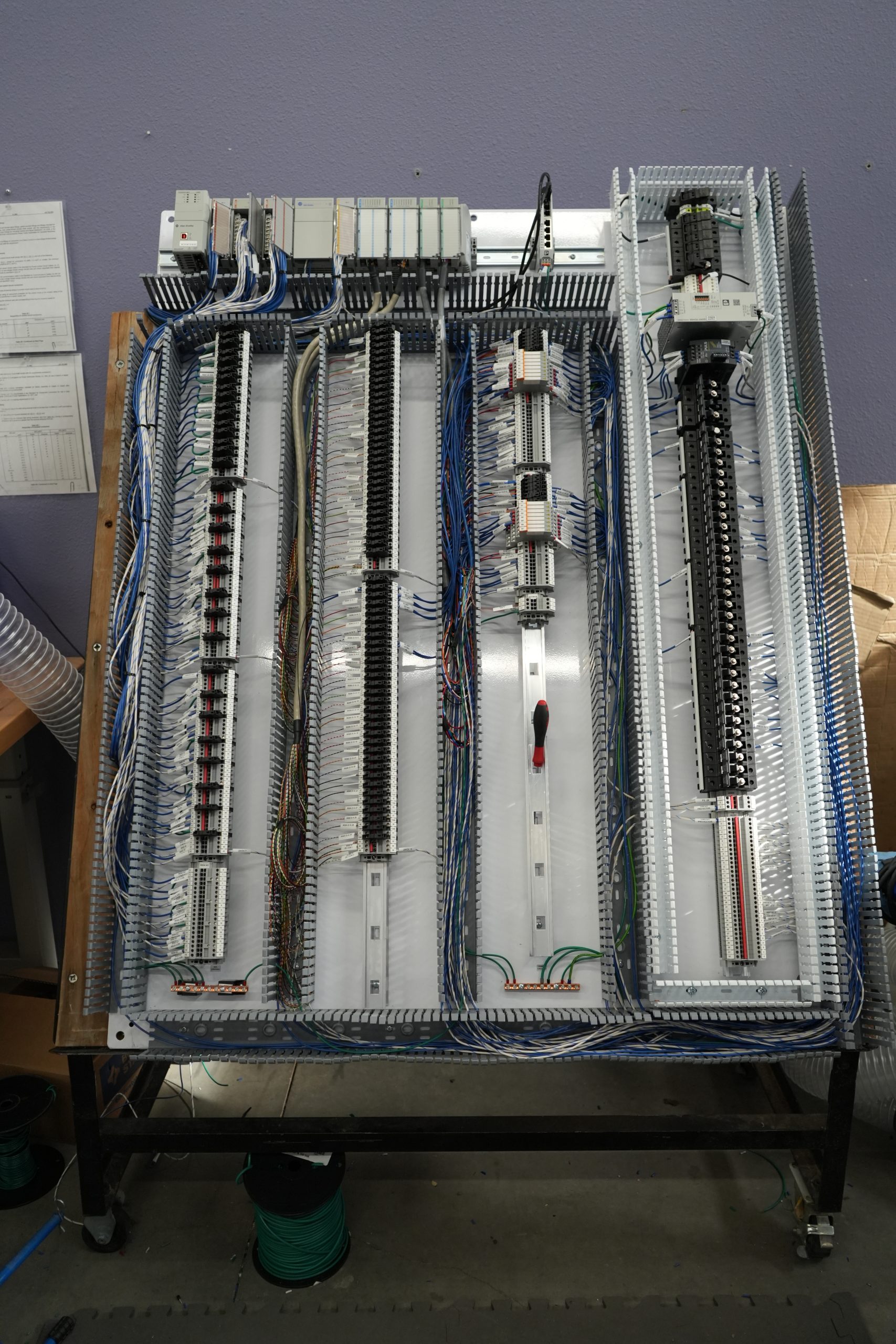
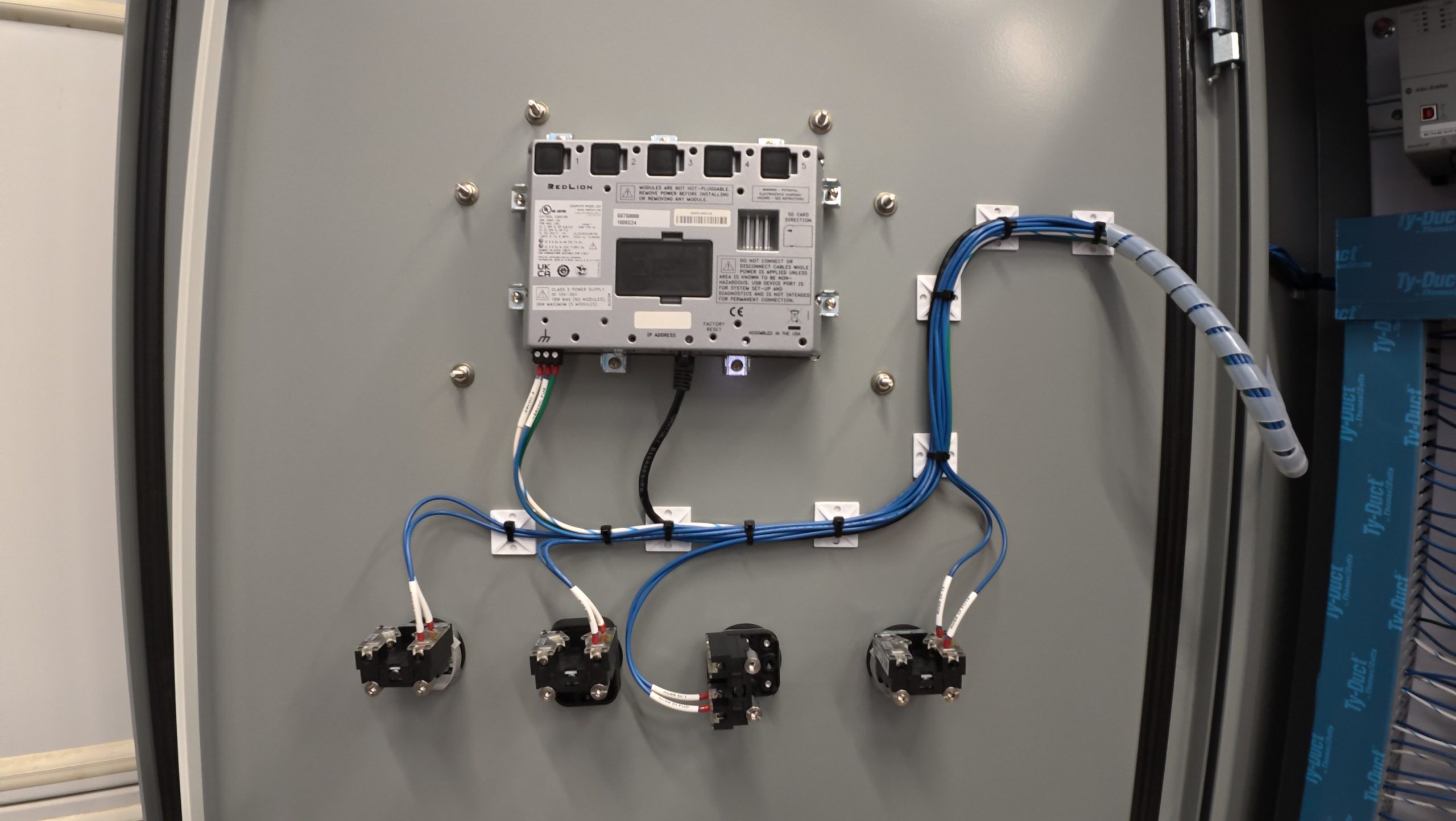
Many automation challenges stem from initial build quality. Poor wiring practices, such as loose connections, improper segregation, or inadequate routing, often lead to intermittent faults, signal losses, or overheating. Signal disruptions can occur due to faulty components or network issues, causing machinery to halt unexpectedly. PLC programming errors—ranging from inefficient logic to unhandled exceptions—can result in unreliable behavior or false triggers.
These problems are frequently seen in systems where corners were cut during design or installation. Systematic troubleshooting, including checks for power stability and connection integrity, is key to resolution, but prevention through high standards is far more effective.
Real-World Insights from Edwards Automation and Design
At Edwards Automation and Design, we handle a variety of projects, always applying the same rigorous standards to wiring, programming, and overall build quality. A handful of times each year, clients approach us to review or rework panels originally built elsewhere, often due to issues like faulty wiring causing signal loss or programming flaws leading to operational inconsistencies. In these cases, we apply our expertise to diagnose and correct the problems—rewiring for reliability, optimizing PLC code, or upgrading components as needed.
These experiences reinforce the value of professional standards: systems built with attention to detail perform reliably over time. While we’re capable of addressing such issues effectively when they arise, our emphasis remains on creating new solutions that avoid them altogether.
Why Clients Trust Edwards Automation and Design
Clients rely on us because we consistently deliver high-quality work on every project, regardless of scope. Our team brings deep expertise in industrial automation, ensuring clean wiring, robust programming, and integration that meets or exceeds industry standards. This commitment to excellence builds lasting trust.
While no one can anticipate every challenge in this evolving field, we stay proactive by monitoring industry developments and investing in ongoing training. We regularly send employees to conferences, specialized sessions, and professional development programs to incorporate the latest best practices and technologies into our work.
This approach allows us to handle whatever projects come our way with confidence and precision, providing reliable solutions that clients can depend on.
Recommendations for Reliable Automation Systems
To minimize disruptions, prioritize quality in design and construction. Select partners with proven standards, perform regular maintenance, and integrate monitoring tools for early detection. Investing in professional builds upfront reduces the likelihood of issues and supports long-term efficiency.
Conclusion
Reliable industrial automation depends on high standards in every aspect of design and implementation. By focusing on quality wiring, accurate PLC programming, and thorough execution, systems can operate smoothly with minimal need for intervention. At Edwards Automation and Design, we’re proud to apply these principles to the projects we undertake, earning client trust through consistent, professional results. When challenges do occur—even in systems built elsewhere—we’re equipped to address them effectively, but our true value lies in building solutions that stand the test of time.
Ready to build automation systems that deliver lasting reliability and minimize downtime? At Edwards Automation and Design, we’re here to apply our high standards to your next project. Contact us today for a free consultation on custom control panels, PLC programming, or automation design. Let’s create solutions that keep your operations running smoothly.
Call us at (505)566-3717 or email us at: info@emationdesign.com